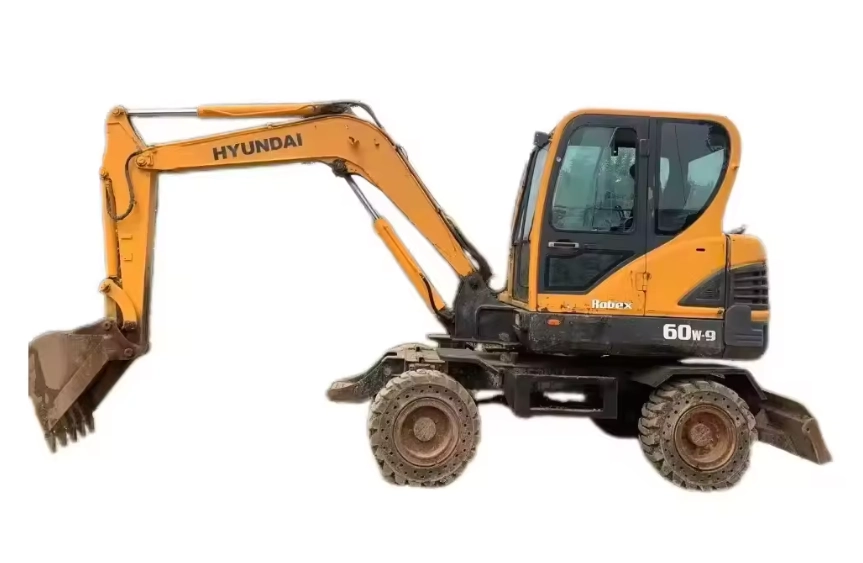
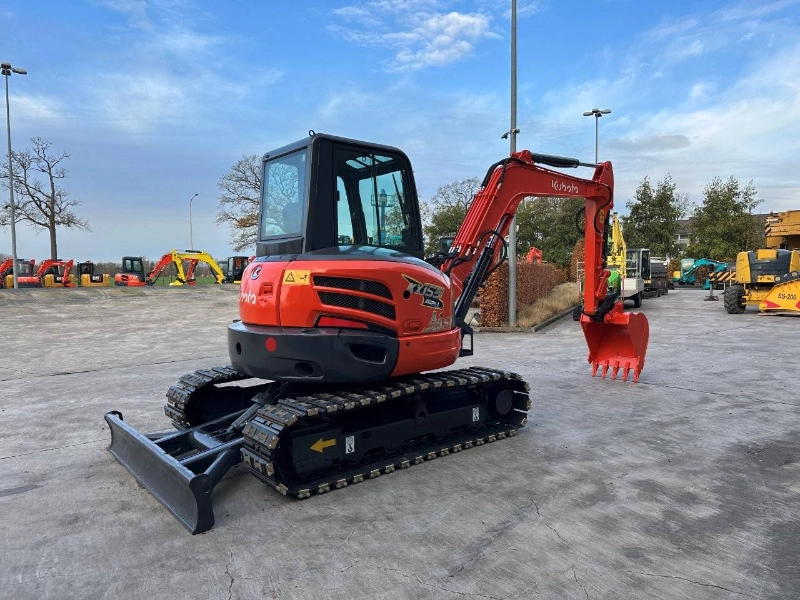
Expert Buyer’s Guide: How to Inspect a Used Kubota U30 Mini Excavator Before Purchase
Release time: 2026-01-10
Buying a used Kubota U30 mini excavator is one of the smartest moves a small contractor or landscaper can make. Known for its zero-tail swing and legendary reliability, the U30 holds its value incredibly well. However, the used machinery market can be a minefield if you don’t know what to look for. Whether you are buying from a local dealer or an online export platform, you need a systematic approach to ensure you’re getting a workhorse, not a money pit. In this guide, I’ll walk you through the essential inspection steps specifically for this model so you can sign that check with total confidence.
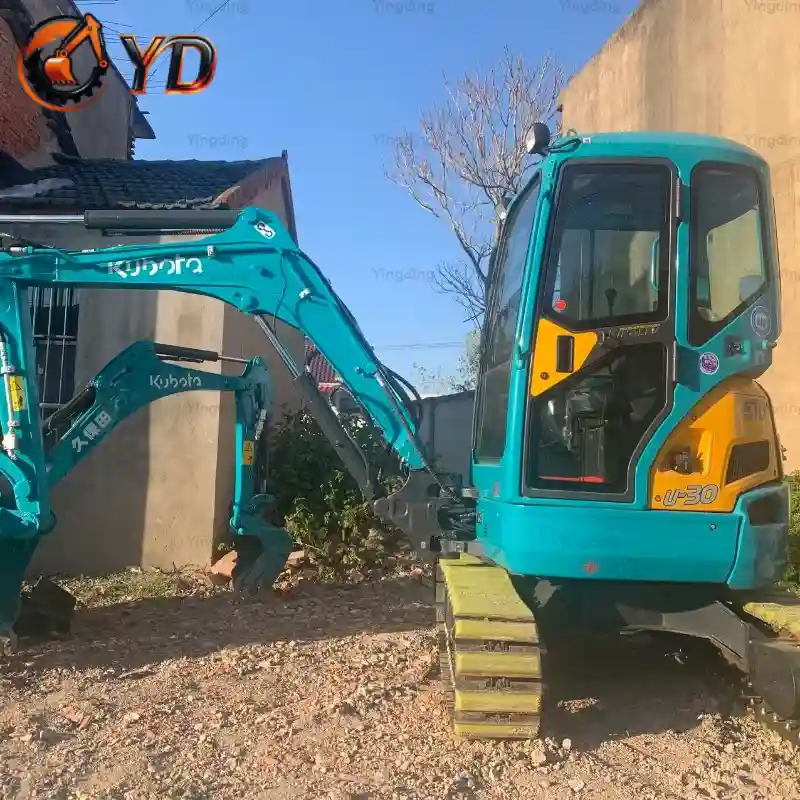
Start with the Heart: Engine and Hydraulic Vital Signs
When you first approach a used Kubota U30 mini excavator, don’t let a fresh coat of paint distract you. Start the engine from cold. A healthy Kubota diesel should fire up quickly without excessive smoke. Once it’s running, cycle the hydraulics. The U30 is praised for its smooth, simultaneous operation, so if the boom or arm feels jerky or sluggish, you might be looking at a failing hydraulic pump—a costly fix. Check the hydraulic oil color; it should be clear and amber. If it looks milky (water contamination) or smells burnt, it’s a red flag that the machine hasn’t been serviced properly.
- Listen for knocks: Any metallic rhythmic knocking in the engine is an immediate deal-breaker.
- Check for leaks: Peek under the main control valve and around the swivel joint. Even a small “weep” can turn into a major leak under high pressure.
The Ground Truth: Undercarriage and Track Condition
The undercarriage usually represents about 20% of the total maintenance cost of a used Kubota U30 mini excavator. Since the U30 is a “mini,” it often works on concrete or rocky debris, which wears down the tracks and rollers faster than soil. Check the rubber tracks for deep lugs or exposed steel cords. While tracks are replaceable, they are a great bargaining chip for price negotiation. More importantly, inspect the sprockets and idlers. If the sprocket teeth are pointed like shark fins, they are worn out. Lift the machine using the blade and boom to spin the tracks; listen for grinding noises from the drive motors, as these are the most expensive components in the undercarriage system.
Inspecting the Front-End: Pins, Bushings, and Slop
The precision of a used Kubota U30 mini excavator lies in its joints. A “tight” machine is a productive one. Extend the arm and try to manually shake the bucket or the blade. If there is significant “slop” or play in the pins and bushings, the machine will be difficult to use for fine grading or trenching. Look for evidence of regular greasing—fresh grease popping out of the joints is actually a good sign. If the pins look dry and rusty, the previous owner likely neglected daily maintenance. Don’t forget to check the swing post; since the U30 is a zero-tail swing model, the offset boom cylinder and its mounting points take a lot of stress and should be free of cracks or re-welds.
The Final Walkaround: Hours, Aesthetics, and Paperwork
Finally, reconcile the hour meter with the overall wear of the used Kubota U30 mini excavator. A machine showing 1,500 hours but having a worn-through floor mat and smooth foot pedals has likely been “clocked” or worked much harder than advertised. Check the ROPS (Roll-Over Protective Structure) for any structural damage, as safety is paramount. Lastly, ask for the service logs. A well-maintained U30 can easily run for 5,000+ hours with basic care. If the seller can provide a history of oil and filter changes, it’s a strong indicator that the machine will remain reliable for your upcoming projects.